
Are Cruises Actually Safe? What the Documentaries Don’t Show You
If you have ever watched a cruise documentary and thought,
“Absolutely not. I am not getting on that floating city.
What if something happens in the middle of the ocean?”
You are not alone.
Cruise documentaries are designed to highlight drama. Storm footage. Mechanical failures. Rare crime cases. Emotional interviews.
That is what keeps people watching.
What they rarely show is the engineering, regulation, training, and infrastructure quietly working behind the scenes every single day.
Let’s talk about that part.
Cruise Ships Are Highly Regulated
Modern cruise ships operate under strict international maritime law, including SOLAS regulations, which stands for Safety of Life at Sea.
These are global safety standards governing ship construction, fire protection, navigation systems, emergency procedures, and lifesaving equipment.
Cruise ships sailing from United States ports are also subject to federal reporting requirements under the Cruise Vessel Security and Safety Act. Alleged serious crimes must be reported to United States authorities and are published in quarterly public reports by the United States Department of Transportation.
Those reports consistently show that serious crimes are rare relative to total passenger volume.
Millions of people cruise each year. Confirmed homicide investigations on ships embarking or disembarking from United States ports are extremely uncommon, often zero or in the single digits annually.
Ships operate with:
• Dedicated onboard security teams
• Extensive CCTV coverage in public areas
• Controlled access to stateroom decks
• Key card entry tracking
• Coordination with federal and international authorities
Ships are not lawless zones. Maritime jurisdiction is structured and enforced. True crime makes compelling television. It does not represent everyday cruising.
What About People Who Go Overboard?
This is another common concern.
Yes, overboard incidents have occurred. They are tragic when they do. But context matters.
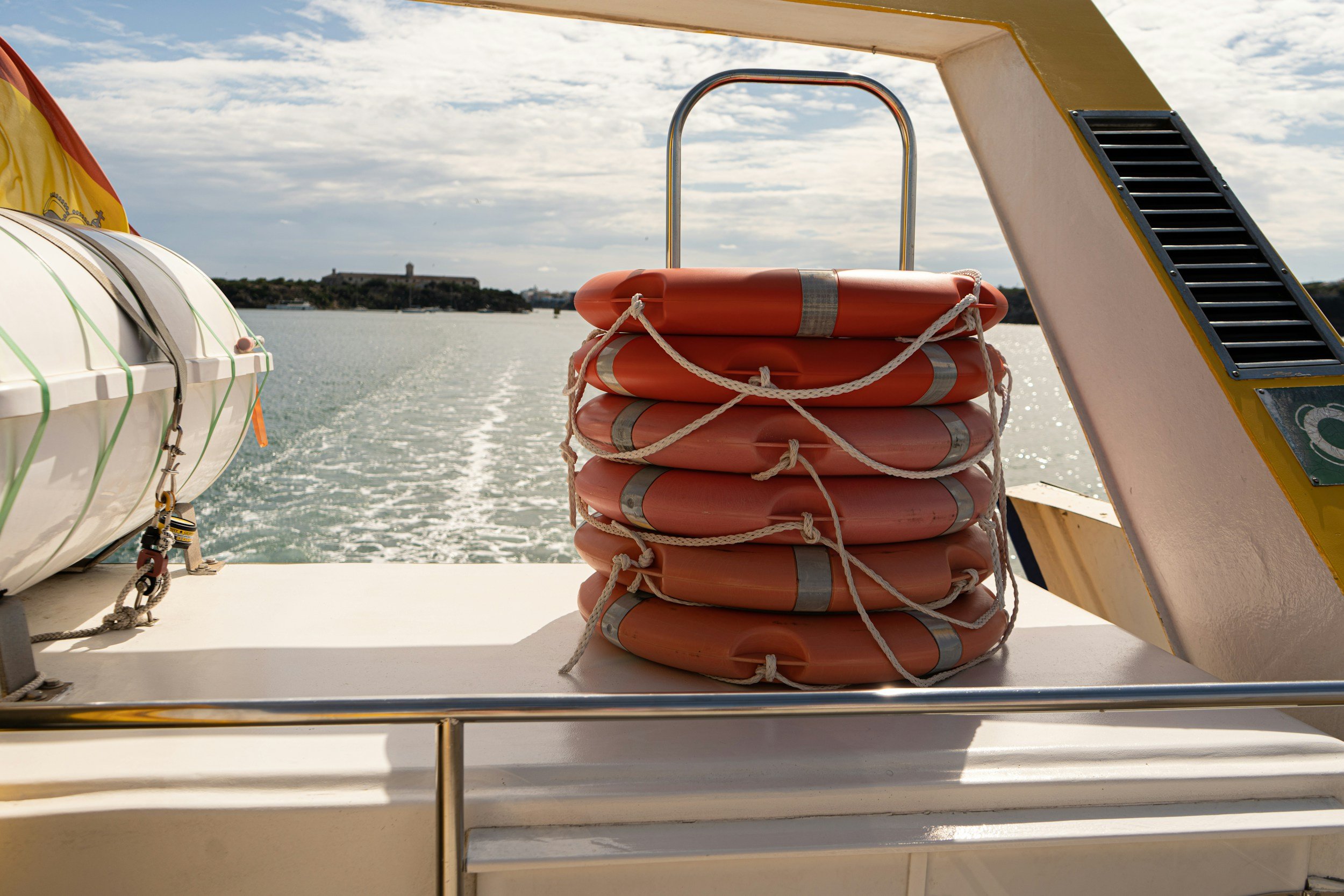
Cruise ships are designed with high railings and protective barriers that meet strict international maritime safety standards. Public deck railings are generally built around or above 42 inches high to prevent accidental falls during normal use.
In the majority of reported cases, investigations indicate intentional action or extremely unsafe behavior such as climbing or sitting on railings.
Accidental falls while simply walking along a deck are extraordinarily rare.
Modern ships also utilize:
• Extensive CCTV systems
• Restricted access to crew only areas
• Man overboard detection technology on many newer vessels
• Immediate search and rescue coordination with maritime authorities
Millions of guests sail every year without incident. Rare events become headlines. Uneventful sailings do not.
Weather, Engineering, and Navigation
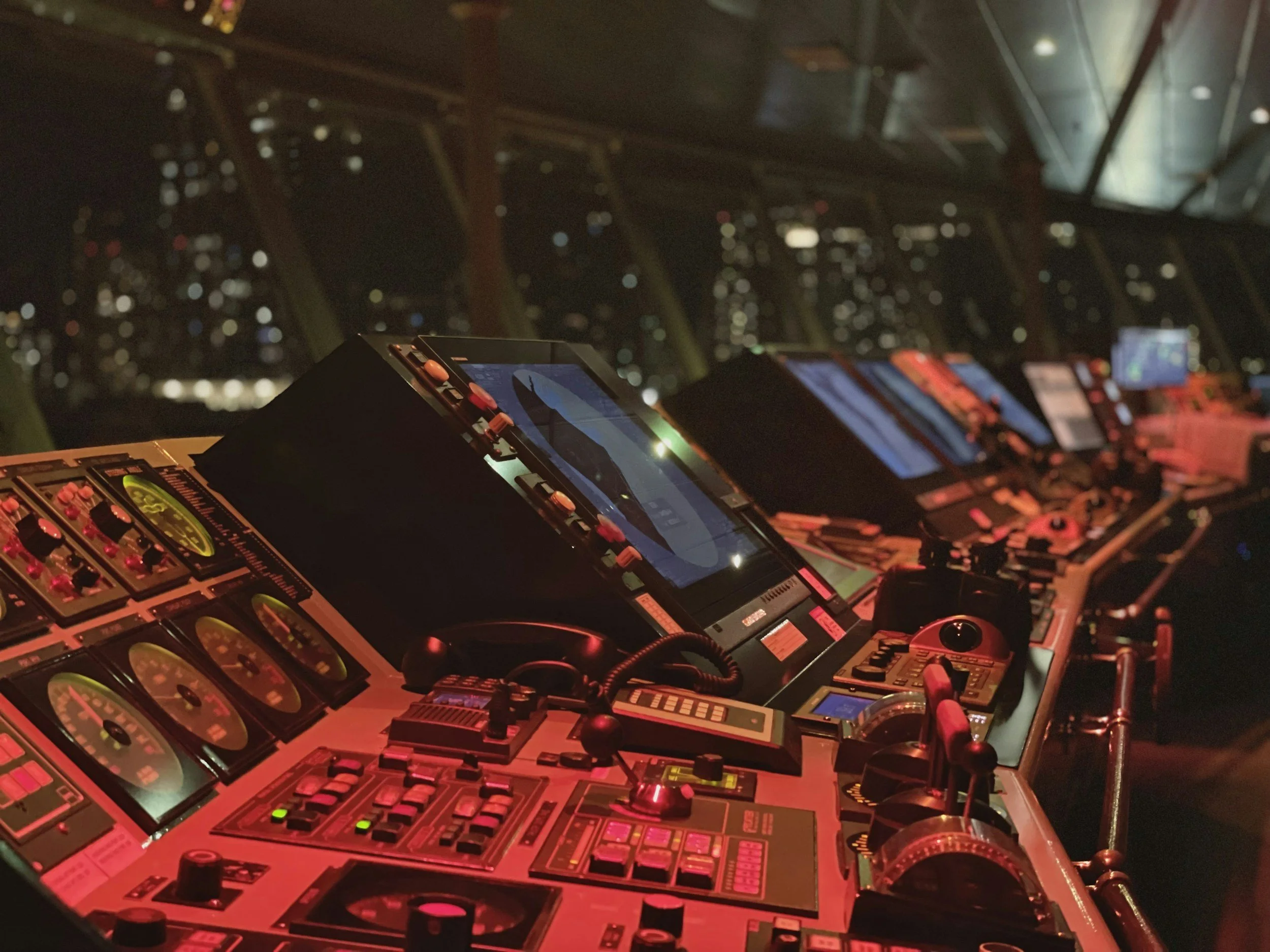
Cruise ships do not guess their way through storms. They use advanced meteorological tracking, satellite data, and professional weather routing teams. Captains adjust course when necessary to avoid severe systems whenever possible. Modern vessels are engineered with stabilizer systems and ballast controls that significantly reduce motion compared to older ships. You are statistically more likely to be injured driving to the port than sailing once onboard.
A Real Conversation Before Sailing
Just days before one of my cruises, I was at a dinner when the topic shifted to cruise documentaries. Someone at the table said they would never go on a cruise. The anxiety was immediate.
Then I was asked, “Doesn’t that bother you? Knowing those documentaries exist?” Honestly, a little bit. If I binge watch dramatic content about anything, my brain will connect dots that do not need connecting.
So, I try not to consume media designed to amplify fear.
But here is the difference.
- I know the ship I am sailing on.
- I understand the itinerary.
- I understand the regulatory framework.
- I understand the safety structure behind the industry.
- I am not boarding blindly.
There is a difference between informed awareness and spiraling into worst case scenarios. Documentaries are edited for drama. My travel decisions are based on data, industry knowledge, and firsthand experience.
That creates confidence.
Cruise Industry By the Numbers
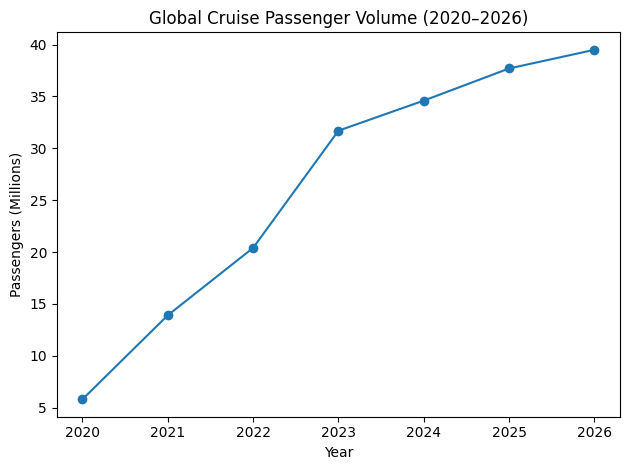
If you’re curious why cruising feels everywhere you look these days, the numbers tell the story.
🌍 Global Passenger Growth — After a strong rebound from pandemic lows, the global cruise industry is seeing continued expansion. In 2024 about 34.6 million people took a cruise worldwide, and that number is forecast to grow to about 37.7 million in 2025.
📈 Growth Continues in 2026 — The cruise sector is expected to build on that momentum through 2026, with projections signaling another record setting year of passenger volume globally.
🇺🇸 U.S. Sailors Setting Records — According to industry forecasts, approximately 20.7 million Americans are projected to take an ocean cruise in 2025, and that figure is expected to rise to about 21.7 million in 2026, marking growth for a fourth consecutive year.
📊 Broader Trends
• North America remains one of the largest source markets for cruise passengers.
• Cruises continue to attract a range of ages and traveler types, fueling growth beyond traditional demographics.
What this means for hesitant travelers: cruising is not shrinking or fading. It is thriving. People are choosing cruises in record numbers, and industry forecasts show that trend continuing into 2026.
Industries in decline do not build new ships. They do not forecast consecutive record passenger years.
Growth reflects demand. Demand reflects consumer confidence.
United States Ocean Cruise Passengers
2025 — 20.7 million projected
2026 — 21.7 million projected
Source: AAA Cruise Forecast
So, Should You Be Afraid?
Fear usually comes from lack of context. If your only exposure to cruising is viral clips or sensational documentaries, your brain fills in the gaps. The solution is not blind reassurance. It is informed decision making.
- Choosing the right cruise line.
- Choosing the right ship class.
- Understanding itineraries.
- Reviewing safety standards.
- Securing appropriate travel insurance.
Cruising is regulated. Engineered. Structured. If you are cruise curious but documentary hesitant, you are not irrational. You are human. Informed travel feels very different than anxious travel.
Curious but cautious?
Let’s talk through the details before you decide anything.
Sometimes all it takes is understanding the ship, the route, and the structure behind the scenes to feel completely different about the experience.
About the Author
The Suite Stories is a luxury travel advisory specializing in premium cruise experiences, curated itineraries, and milestone travel moments.
As a member of the Cruise Lines International Association, the advisory stays engaged with ongoing industry education, regulatory standards, and evolving cruise operations. Combined with firsthand sailing experience, this perspective allows travelers to move from internet overwhelm to informed confidence.
Because confident travel begins long before embarkation day.
